
For three years, the answer to "can I use Claude as my iPhone assistant?" was a flat no. As of iOS 27, the answer is finally "yes," or, more precisely, "yes, Apple built the switch, even if it's being strangely quiet about flipping it on." This is the Claude iPhone iOS 27 story, and it's a bigger deal than the headline Apple actually put on stage at WWDC 2026.
Here's the part that made me stop scrolling. Apple didn't just bolt a second chatbot onto Siri. It built an entire framework (Apple calls it Extensions) that lets you pick Claude, Google Gemini, ChatGPT, or Grok as the AI brain behind Apple Intelligence. For the first time since Siri shipped in 2011, the assistant on over a billion iPhones is becoming a slot you fill, not a fixed product you tolerate. And the strangest twist? Apple built the whole thing, shipped the plumbing to developers, and then declined to demo it at its own keynote.
This isn't a press-release recap. I went digging into what Apple actually shipped versus what it announced, because the gap between those two things is the real story here. Short version: the multi-AI iPhone is real, it's coming, and it quietly rewrites the rules of the assistant wars. With one large asterisk I'll get to.
How I reported this
What just changed, and why it matters
Two things landed at WWDC 2026 that, together, reset the iPhone assistant.
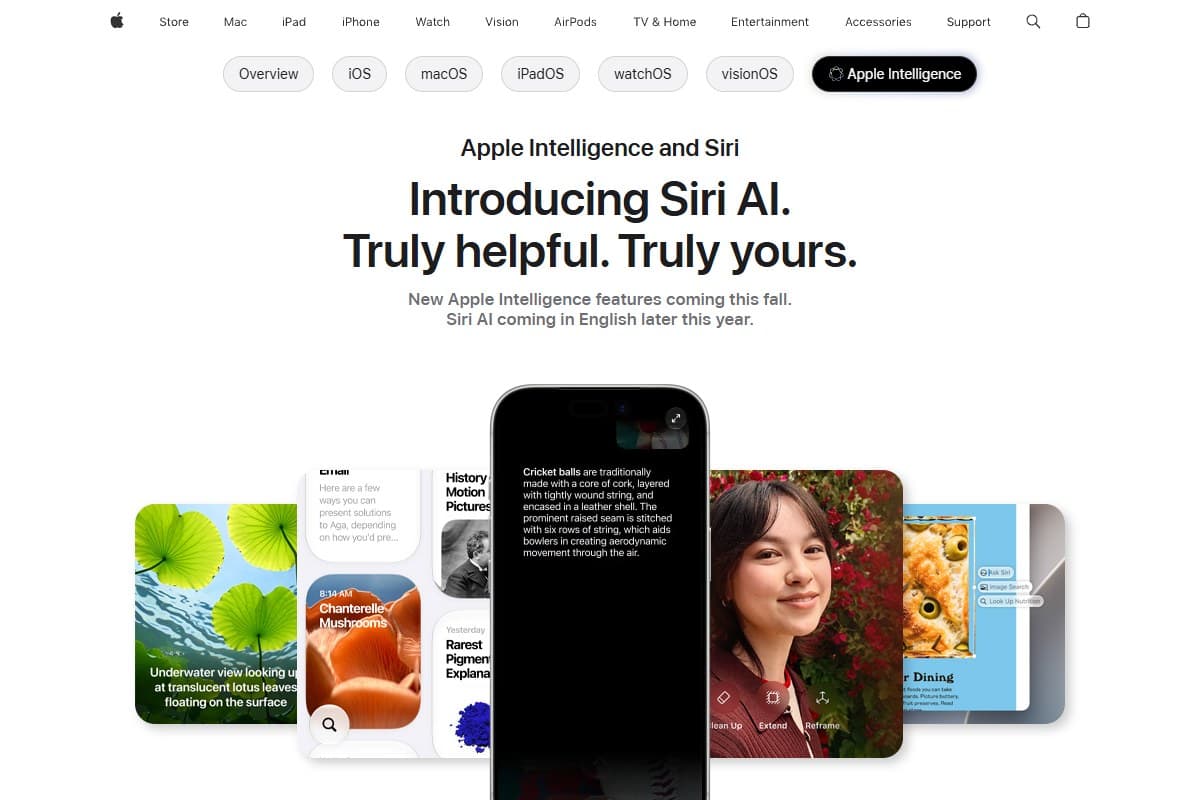
The first is the one Apple shouted about: Siri was rebuilt on Google Gemini. The new Siri AI runs on a custom, Apple-tuned Gemini model in the cloud (reported at roughly 1.2 trillion parameters), backstopped by Apple's own smaller models on-device for the fast, private stuff. That alone is a stunning admission from a company that spent two years insisting Apple Intelligence would be Apple's own.
The second is the one Apple barely whispered: iOS 27 Extensions. This is the framework that lets you swap the AI behind Apple Intelligence (including Siri's hand-offs, Writing Tools, and Image Playground) for a third-party model of your choice. Claude. Gemini. ChatGPT. Grok. You pick, from a dedicated Extensions section in the App Store, and set your preference in Settings.
Why it matters: until now, "the iPhone assistant" was a single thing Apple controlled end to end. Extensions turns it into a marketplace. The most-used assistant surface on Earth, north of a billion active devices, is becoming model-agnostic. If you've spent the last year wishing Siri were just Claude, iOS 27 is Apple finally saying: fine, make it Claude. I've watched the assistant landscape long enough to call this what it is: the biggest structural shift in mobile AI since the App Store itself.
What iOS 27's multi-AI Siri actually is
Strip away the keynote gloss and there are three layers stacked on top of each other in iOS 27.
- On-device Apple models handle the fast, private, personal requests: timers, system actions, onscreen awareness, and the personal-context features (reading across your Messages, Mail, and Photos) that Apple rebuilt Siri around. This is the half Apple keeps in-house for privacy.
- The default cloud brain (Gemini): when a request needs heavy world-knowledge or reasoning, Siri routes it to the custom Gemini model running on Apple's infrastructure. This is the new "smart" Siri most users will get out of the box.
- Extensions (your pick): the new layer. Install Claude, ChatGPT, Gemini, or Grok from the App Store, and you can set it as the generative-AI provider Apple Intelligence hands those open-ended requests to instead.
If you want the full breakdown of the rebuilt native Siri (the four pillars, the Private Cloud Compute privacy story, and the Gemini-under-the-hood reveal), I covered that in depth in my new Siri AI 2026 first look. This post is about the part that came after: the choice.
How the Extensions system works: switching between Claude, Gemini, and ChatGPT
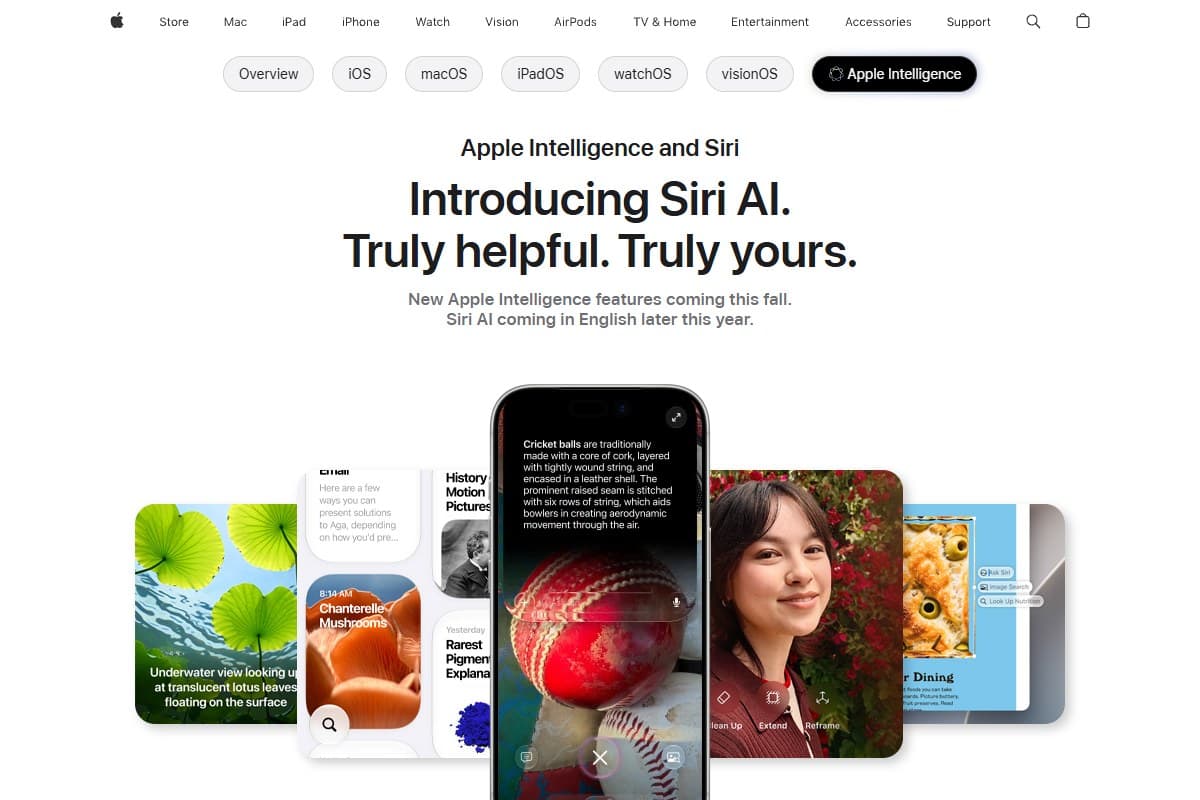
Here's the mechanic, based on the framework Apple shipped to developers. Apple's own description: Extensions "allow you to access generative AI capabilities from installed apps on demand, through Apple Intelligence features such as Siri, Writing Tools, Image Playground and more."
In practice, that means:
- You install the app. Claude, ChatGPT, Gemini, or Grok, downloaded from a dedicated Extensions section in the App Store, the same way you'd grab any app.
- You set your preference in Settings, under Apple Intelligence & Siri. One toggle decides which model fields the requests Apple routes to a generative-AI provider.
- Apple keeps the native shell. You still summon Siri the way you always have: voice, side button, the Type to Siri field. The difference is what's thinking behind the curtain. Reporting also points to a neat touch: you can assign a different voice per model, so a Claude-backed assistant doesn't have to sound like Apple's.
The crucial design choice: Apple isn't handing the whole phone to a third party. It's handing off the generative slice (the open-ended questions, the rewriting, the brainstorming) while personal context and system actions stay on Apple's own models. You're choosing the brain for the "ask anything" part, not replacing the OS-level assistant wholesale.
And now the asterisk I promised. Apple built all of this and then didn't show it at WWDC. Independent reporting (Bloomberg's Mark Gurman among them) says the settings panel and the App Store Extensions section both exist in the iOS 27 developer beta but are toggled off on Apple's backend. The framework shipped; the consumer switch did not flip on launch day. So when I say "Claude is now on your iPhone," the precise truth is: the door is built and installed, and Apple is holding the key for a later beta or point release. For a comparison of the three assistants you'll be choosing between, my ChatGPT vs Claude vs Gemini breakdown is the place to start.
Claude on iPhone: what it can and can't do
Let's be specific, because "Claude on your iPhone" can mean more than it actually does today.
What Claude can do as an Extension:
- Field your open-ended questions through the Siri surface: the conversational, reasoning-heavy queries people already leave Siri to go ask Claude directly.
- Power Writing Tools: rewrites, summaries, tone shifts, and drafting inside any app's text field, using Claude's model instead of Apple's default.
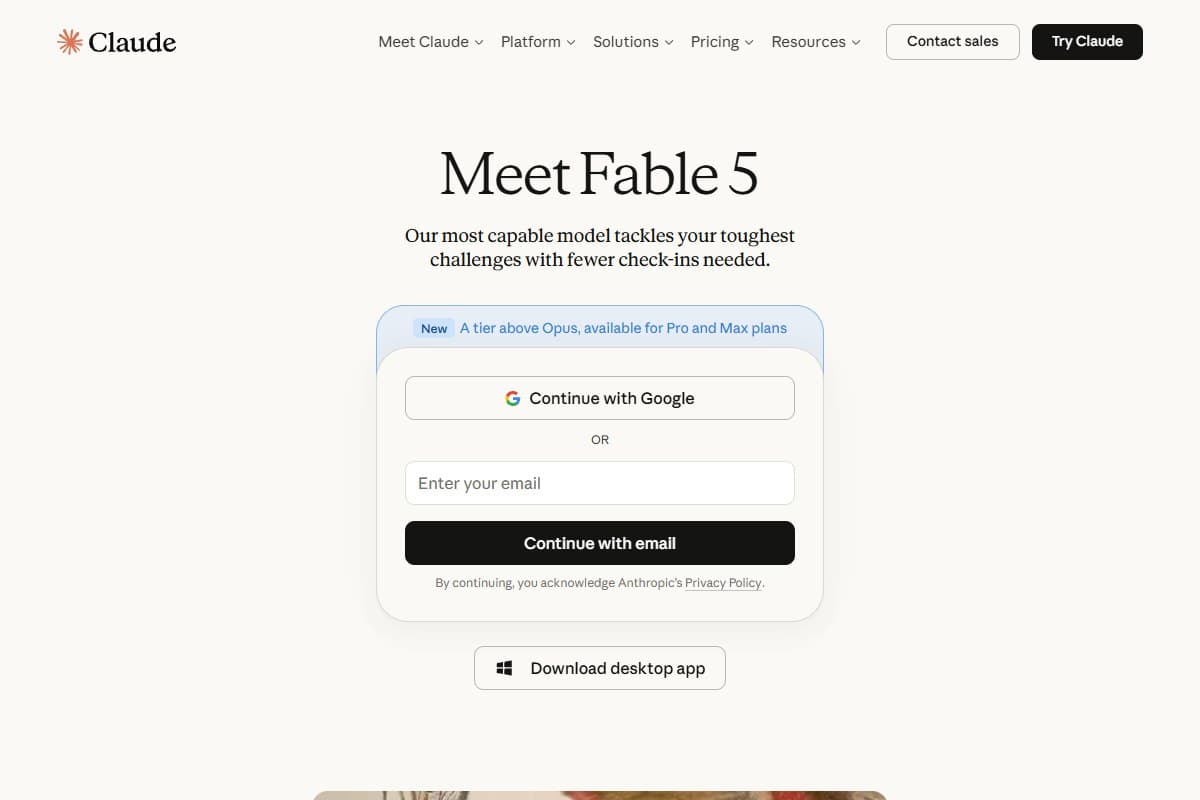
- Bring its own strengths: the long-context reasoning and writing quality that make Claude my pick for serious work, the same capabilities I dug into in my Claude Fable 5 review.
- Speak in its own voice: literally, if Apple ships the per-model voice option as reported.
What Claude can't do (and this matters):
- It can't read across your Messages, Mail, and Photos. That deep personal-context layer is Apple's on-device models only. For privacy reasons, Apple isn't piping your personal data to a third-party model.
- It can't take system-level actions like the rebuilt native Siri can (chaining steps across apps, editing a photo and sharing it). Those stay with Apple.
- It isn't live for everyone yet. Until Apple flips the toggle, Claude-as-iPhone-assistant is a developer-beta capability, not something your aunt can switch on this afternoon.
So the honest framing: Claude becomes the intelligence you converse with, not a full agent that runs your phone. That's still a massive upgrade over the old "let me search the web for that" Siri, but it's a brain transplant, not a takeover.
Gemini-powered Siri: what Apple chose as the default, and why
If Extensions is the democratic part, the default is the corporate part, and it's a doozy. Apple's rebuilt Siri runs on Google Gemini, via a custom model reported at around 1.2 trillion parameters, under a licensing deal reportedly worth about $1 billion a year.
The why is the genuinely juicy bit. Apple didn't pick Gemini first. Reporting from earlier in 2026 lays out that Apple held serious talks to build Siri on Anthropic's Claude, and walked away when Anthropic's pricing reportedly ran to several billion dollars a year, escalating over time. Gemini came in at roughly a billion, and Apple signed Google. (Apple still uses customized Claude models internally on its own servers, just not as the consumer Siri brain.)
There's a delicious irony baked into iOS 27 because of this. Apple wanted Claude, balked at the price, and shipped Gemini as the default. Then it built Extensions so you can put Claude back yourself, for the cost of a Claude subscription. The thing Apple wouldn't pay billions for, it's now letting you add for $20 a month. If Gemini's the assistant you're curious about, I broke down Google's premium agent tier in my Gemini Spark review.
What this means for the AI assistant wars
For years the assistant wars were fought over distribution. Whoever owned the default surface (the home button, the wake word, the search bar) owned the user. Apple just blew that model up on its own platform.
When the assistant becomes a slot, the moat stops being placement and starts being quality. You no longer win by being preinstalled; you win by being the model people deliberately go into Settings to choose. That's a brutal, clarifying shift. It rewards whoever has the best model on the day, and punishes anyone coasting on default status.
It also normalizes something that used to be unthinkable: mixing vendors inside one device. Your iPhone's default Siri could run on Google's Gemini while your Writing Tools run on Anthropic's Claude while you keep ChatGPT for something else. The "one assistant to rule them all" framing every company sold us is quietly dead. The future Apple just sketched is a multi-model phone where the user, not the platform, picks the brain for the job. Anyone who's read my ChatGPT vs Claude vs Gemini comparison knows my position: most people are better served by using the right model for each task than forcing everything through one. iOS 27 makes that the native behavior of the iPhone.
Who wins and who loses
Apple: wins, awkwardly. It gets to ship a genuinely smart Siri now (on Gemini) instead of waiting years for its own models to catch up, and it offloads the "is the assistant good enough" pressure onto its partners. The awkward part: Apple is publicly conceding it couldn't build a frontier assistant alone. That's a real dent in the all-Apple mythology. But strategically, becoming the platform for AI assistants rather than the builder of one is a very Apple move: it's the App Store playbook applied to intelligence.
Anthropic: wins big. Claude gets a path onto a billion iPhones it couldn't buy at any reasonable price. After the Siri deal collapsed, this is the back door: distribution via user choice instead of a multi-billion-dollar contract. Pair this with Anthropic's broader momentum (I wrote about the company's reported IPO filing) and 2026 is shaping up as the year Claude went mainstream.
Google: wins the money, risks the mindshare. Google banked the ~$1B/year default deal, which is enormous and validating. But defaults erode when users can switch in two taps. Google now has to keep Gemini good enough that people don't go set Claude or ChatGPT instead. Being the default in a world of easy switching is a less comfortable throne than it used to be.
OpenAI: holds, doesn't gain. ChatGPT loses its exclusive-partner status (it was the original Siri fallback in iOS 18). It's now one option among four. Still huge reach, but the special relationship is over. ChatGPT has to win the toggle on merit like everyone else.
The real winner is the user, which almost never happens in platform politics, and is exactly why this is worth writing about.
What this means for everyday iPhone users
Cut through all of it and here's what actually changes for you.
- You'll get a much smarter Siri by default. The Gemini-powered rebuild is a generational leap over the Siri you've been ignoring. Most people will never touch Extensions and will still be far better off.
- If you have a favorite AI, you can make it the iPhone's. Your Claude or ChatGPT subscription stops being a separate app you tab over to, and becomes the thing behind the assistant you already use a hundred times a day.
- Your personal data still stays with Apple. The third-party model handles the open-ended thinking; it doesn't get a pipe into your Messages and Photos. That split is the whole point.
- You'll need to wait for the toggle. As of mid-June 2026, the developer beta has the framework but the consumer switch is off. Realistically you're looking at a later beta this summer and a broad rollout this fall alongside the new iPhones.
- It's free to choose. Extensions itself costs nothing; you only pay if the model you pick (Claude Pro, ChatGPT Plus) has a subscription. The default Gemini Siri is included with iOS 27.
My honest advice: don't upend anything yet. Update to iOS 27 when the public version lands, try the default Gemini Siri, and then decide whether the model you love is worth switching to. The beauty of a toggle is you can change your mind.
FAQ: Claude on iPhone and iOS 27 multi-AI Siri
Can I really use Claude as my iPhone assistant in iOS 27?
Soon, yes. iOS 27 includes a framework Apple calls Extensions that lets you set Claude (or ChatGPT, Gemini, or Grok) as the generative-AI provider behind Apple Intelligence features like Siri and Writing Tools. The catch as of mid-June 2026: the framework is in the developer beta but the consumer toggle is reportedly still switched off on Apple's backend, so it isn't live for everyone yet. Expect it to turn on in a later beta or point release.
Is the new Siri powered by Claude or Gemini?
By default, Gemini. Apple rebuilt Siri's cloud intelligence on a custom Google Gemini model (reported at roughly 1.2 trillion parameters) under a deal reportedly worth about $1 billion a year. Claude isn't the default, but Extensions lets you choose Claude as your preferred AI instead, which is the whole point of the new system.
Why didn't Apple just build Siri on Claude?
It tried. Reporting from early 2026 says Apple held serious talks to base Siri on Anthropic's Claude and walked away over pricing: Anthropic reportedly wanted several billion dollars a year, escalating over time. Apple signed Google's roughly $1-billion Gemini deal instead. Ironically, Extensions now lets users add Claude themselves for the price of a normal subscription.
Does Claude on iPhone get access to my messages and photos?
No. The deep personal-context features (reading across your Messages, Mail, and Photos, and taking system-level actions) run on Apple's own on-device models for privacy. A third-party model like Claude handles open-ended questions and writing tasks, but Apple doesn't pipe your personal data to it. You're choosing the brain for the "ask anything" layer, not handing over your whole phone.
When can I actually switch Siri to Claude?
The framework is in the iOS 27 developer beta now. A public beta is expected later in 2026 (some reports point to July), with a broad rollout this fall alongside the new OS and iPhone lineup. Because Apple shipped the plumbing but left the toggle off, the exact "you can flip it on" date depends on when Apple enables it; treat fall 2026 as the realistic target, not a guarantee.
Will using Claude on my iPhone cost extra?
The Extensions system itself is free and built into iOS 27. You only pay if the model you choose has a subscription: Claude Pro is $20/month, ChatGPT Plus is $20/month, and Gemini has its own paid tiers. The default Gemini-powered Siri is included with the iOS 27 update at no extra cost, so you can get a smarter Siri without paying anything.
Related reading
- New Siri AI 2026: the full first look at Apple's rebuilt Siri, the four pillars, and the Gemini-under-the-hood reveal.
- ChatGPT vs Claude vs Gemini: the three assistants you'll be choosing between, compared on the merits.
- How AI Is Powering the 2026 FIFA World Cup: another look at AI showing up where you least expect it.
- Claude Fable 5 review: what Claude's most capable model can actually do.
- Gemini Spark review: Google's premium agent, the default brain behind the new Siri.
- AI Agents topic hub: every AI assistant and agent breakdown on the site in one place.
Want me to update this the day Apple flips the Extensions toggle on, or test Claude head-to-head against the default Gemini Siri once it's live? Get in touch. Reader questions shape the next round of coverage.
Free interactive tool
Compare AI tools side-by-sideSide-by-side pricing, features, and ratings — plus a recommended pick for your use case.
Independent AI tools researcher
Keep reading
Related reviews
Claude Fable 5 Just Went Behind a Paywall: Is It Worth Paying For?
Claude Fable 5 is no longer free: from June 23 it needs paid credits. Users got just 4-5 days free instead of the promised 13. The full story.

SpaceX Just Bought Cursor for $60B: What This Means for AI Coding Tools
SpaceX acquired Cursor for $60 billion. The AI coding tool used by 7.5 million developers is now owned by Elon Musk's space company. Here's what actually changes.

How AI Is Powering the 2026 FIFA World Cup (Behind the Scenes)
The 2026 FIFA World Cup is the biggest live AI deployment ever: from refereeing to broadcast. Here's what's actually happening behind the scenes.